

Galápagos Cruises: One of the Most Extraordinary Wildlife Journeys on Earth
By Yvan Junior Blanchette | Travel Advisor & Cruise Specialist | ÆRIA Voyages & Cruises

There are destinations that impress you.
And then there are places that fundamentally change the way you see the natural world.
The Galápagos Islands belong to that second category.
Located nearly 600 miles off the coast of Ecuador, this remote volcanic archipelago is one of the most biologically unique places on Earth. It was here that Charles Darwin developed the ideas that would eventually become the theory of evolution. But the scientific significance of the islands is only part of the story.
What makes the Galápagos extraordinary is how close you can get to nature.
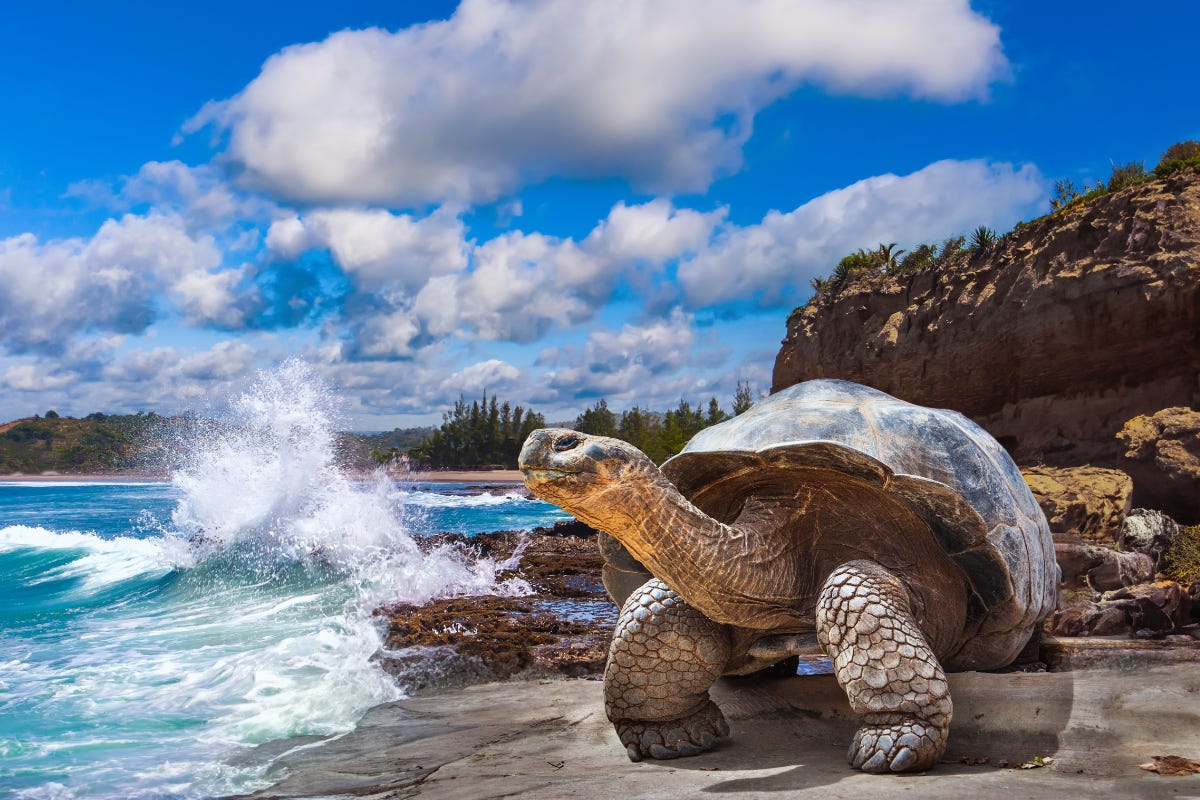
Sea lions nap on beaches beside walking trails. Giant tortoises wander slowly through highland forests. Blue-footed boobies perform their famous mating dances just a few feet away. Marine iguanas dive into the ocean to graze on underwater algae, something no other lizard on Earth does.
And perhaps the most remarkable thing of all is this: the animals here are largely unafraid of humans.
That is because the islands were isolated for millions of years.
The Galápagos are not a typical cruise destination. They are a protected national park and marine reserve with strict regulations designed to preserve one of the most fragile ecosystems on the planet.
In fact, visiting the Galápagos by cruise is not simply a vacation.
It is an expedition.
Why the Best Way to Experience the Galápagos Is by Cruise
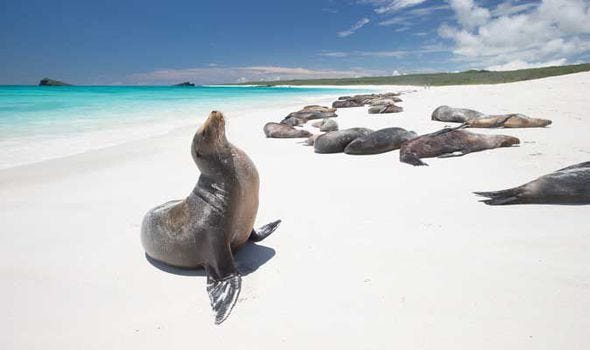
Unlike traditional island destinations, the Galápagos cannot be explored easily from a single base.
The archipelago consists of more than a dozen major islands and hundreds of smaller islets, each with completely different ecosystems and wildlife.
Some islands are volcanic and barren.
Others are lush with cactus forests.
Some are famous for seabirds, others for sea lions or giant tortoises.
Traveling between them efficiently requires a ship.
That is why most visitors explore the Galápagos through small expedition cruises.
These ships navigate between the islands overnight, allowing guests to wake up each morning in a completely new environment.
Unlike large ocean liners, ships in the Galápagos are intentionally small. Strict environmental regulations limit vessels to a maximum of about 100 guests, ensuring a more intimate and environmentally responsible experience.
This small scale changes everything.
Instead of massive crowds, excursions happen in small groups led by licensed naturalist guides who explain the wildlife, geology, and ecosystems in extraordinary detail.
Each day typically includes two or more guided excursions such as:
• snorkeling with sea turtles
• hiking across volcanic lava fields
• kayaking through mangroves
• zodiac landings on remote beaches
• wildlife photography walks
The result is not just sightseeing.
It is immersive exploration.
A Wildlife Experience Unlike Anywhere Else on Earth
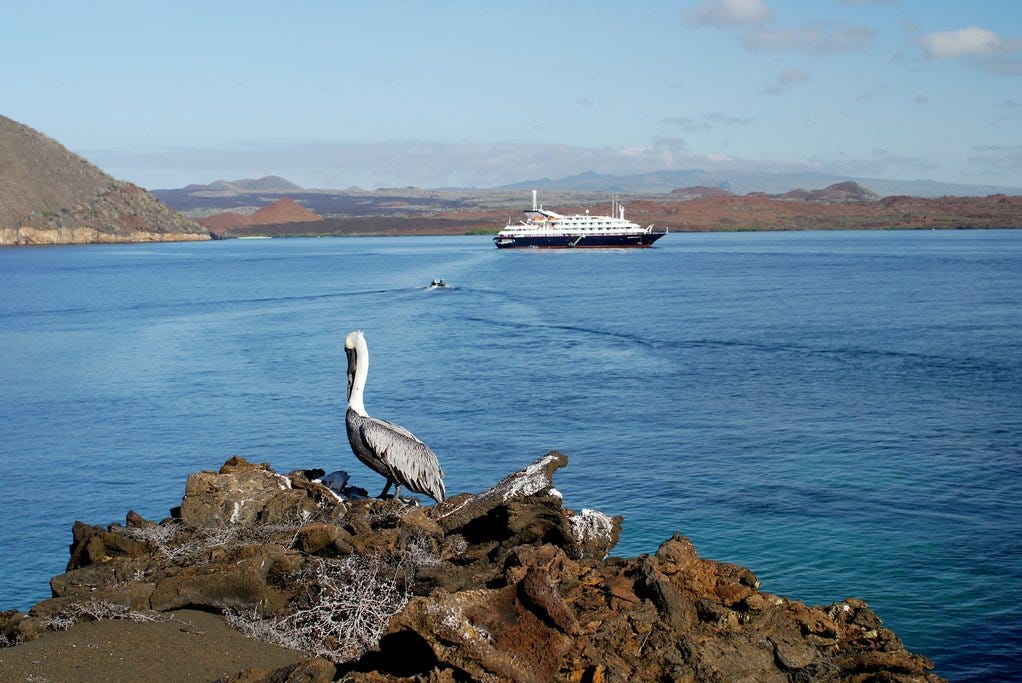
The Galápagos Islands are often described as one of the most important wildlife destinations in the world.
And the reason is simple.
Animals here evolved without predators, which means they developed almost no fear of humans.
The encounters are astonishing.
You may find yourself snorkeling beside sea lions that playfully swirl around you like underwater acrobats. Giant tortoises weighing hundreds of pounds wander calmly through the highlands. Penguins dart through the water beside your zodiac boat.
Some of the iconic species you may encounter include:
• Galápagos giant tortoises
• blue-footed boobies
• marine iguanas
• Galápagos penguins
• sea lions
• frigatebirds
• hammerhead sharks
• whale sharks
It is difficult to overstate how rare this type of wildlife access has become in the modern world.
In many destinations, animals hide.
In the Galápagos, they live openly around you.
Why Expedition Ships Are Different From Traditional Cruises
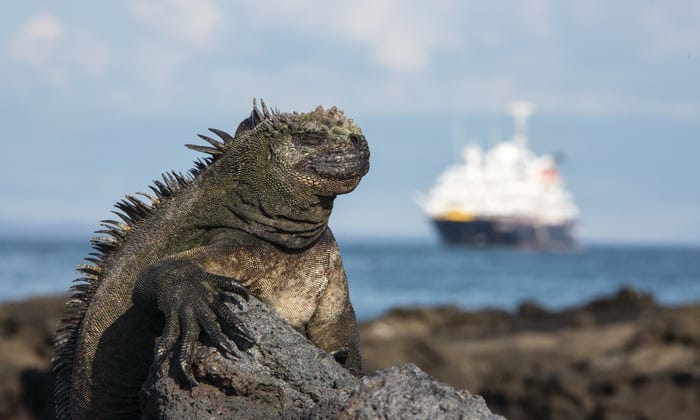
Many travelers picture cruises as large floating resorts with casinos, theaters, and thousands of passengers.
The Galápagos experience is completely different.
Ships here are expedition vessels, specifically designed for exploration.
They carry fleets of zodiac boats used to reach remote beaches and rocky landing sites. They have onboard naturalists and scientists who give lectures about wildlife, geology, and conservation.
Most itineraries last between 7 and 10 nights, although some expedition programs extend longer.
Days begin early.
You might start the morning with a guided hike across volcanic terrain to observe nesting birds. After lunch, you may snorkel in crystal-clear waters surrounded by tropical fish and sea turtles.
Evenings often include presentations by expert naturalists who help guests understand what they saw during the day.
It feels less like a vacation and more like a living documentary experience.
The Cruise Lines That Truly Excel in the Galápagos
While there are many operators in the Galápagos, several cruise lines consistently stand out for their expertise, ships, and expedition programs.
Three names in particular dominate the high-end expedition experience.
Celebrity Cruises
For travelers who enjoy premium cruise experiences but still want a true expedition journey, Celebrity Cruises has become one of the most respected operators in the Galápagos.
Their ship Celebrity Flora was designed specifically for the region and carries only about 100 guests.
This ship blends expedition exploration with Celebrity’s signature comfort and cuisine.
Highlights include:
• all-suite accommodations
• locally inspired Ecuadorian cuisine
• expert naturalist guides
• multiple zodiac boats for island landings
Celebrity is often praised for bringing a slightly more refined “resort-style” experience to expedition cruising without compromising the educational and wildlife aspects of the journey.
For travelers who want a balance of adventure and comfort, it is an outstanding option.
Silversea Expeditions
If Celebrity offers premium comfort, Silversea takes the Galápagos experience firmly into the ultra-luxury category.
Their ship Silver Origin was purpose-built for the destination and carries just 100 guests.
It offers:
• all-suite accommodations
• butler service for every suite
• extremely high crew-to-guest ratio
• multiple zodiac landing platforms
• immersive expedition programs
Silver Origin is widely regarded as one of the most luxurious expedition ships operating in the Galápagos today.
The entire journey is designed to be all-inclusive, often including flights within Ecuador, excursions, and pre- or post-cruise hotel stays.
For travelers seeking a once-in-a-lifetime luxury wildlife expedition, Silversea is an exceptional choice.
Lindblad Expeditions / National Geographic
If there is one company that can claim true historical roots in the Galápagos expedition world, it is Lindblad Expeditions.
The company pioneered citizen-explorer voyages to the islands more than 50 years ago and now partners with National Geographic to operate some of the most educational expeditions available.
These voyages emphasize:
• science and conservation
• photography and natural history
• expert naturalists and researchers
Many sailings even include National Geographic photographers or scientists who travel with guests to help them understand the ecosystems and capture extraordinary wildlife images.
For travelers who want the deepest educational experience possible, Lindblad is often considered the gold standard.
What a Typical Day in the Galápagos Looks Like
One of the most fascinating aspects of a Galápagos cruise is how active each day becomes.
A typical day might look something like this:
Morning:
A zodiac landing on a volcanic island followed by a guided hike among marine iguanas and nesting birds.
Late morning:
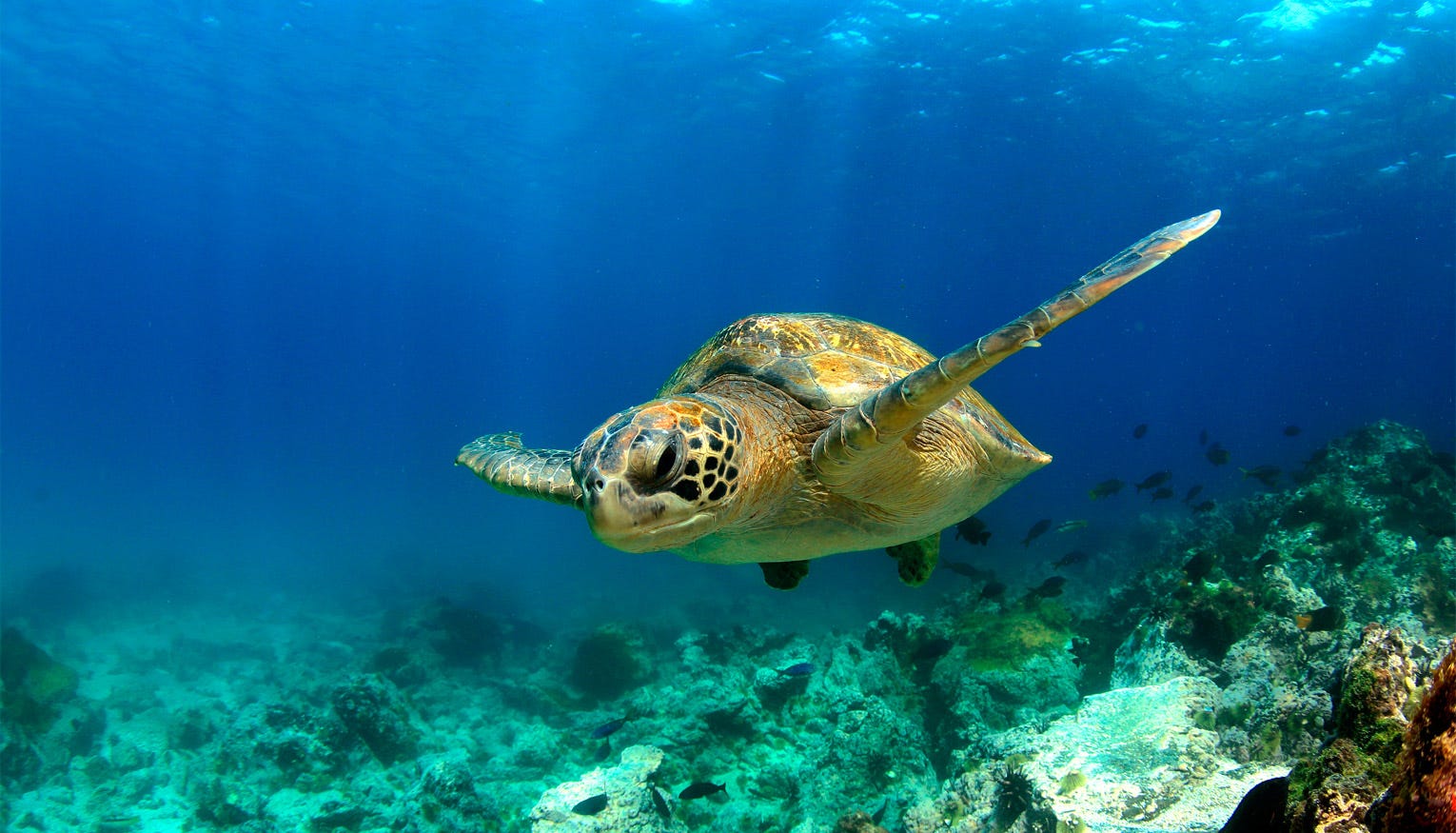
Snorkeling session with sea lions, reef fish, and sea turtles.
Afternoon:
Kayaking along a mangrove coastline where penguins and rays are often spotted.
Evening:
Lecture by a naturalist about Darwin’s finches and island evolution.
Night:
Stargazing from the deck in one of the darkest skies in the Pacific.
Every island brings something different.
No two days are the same.
The Extraordinary Geography of the Islands
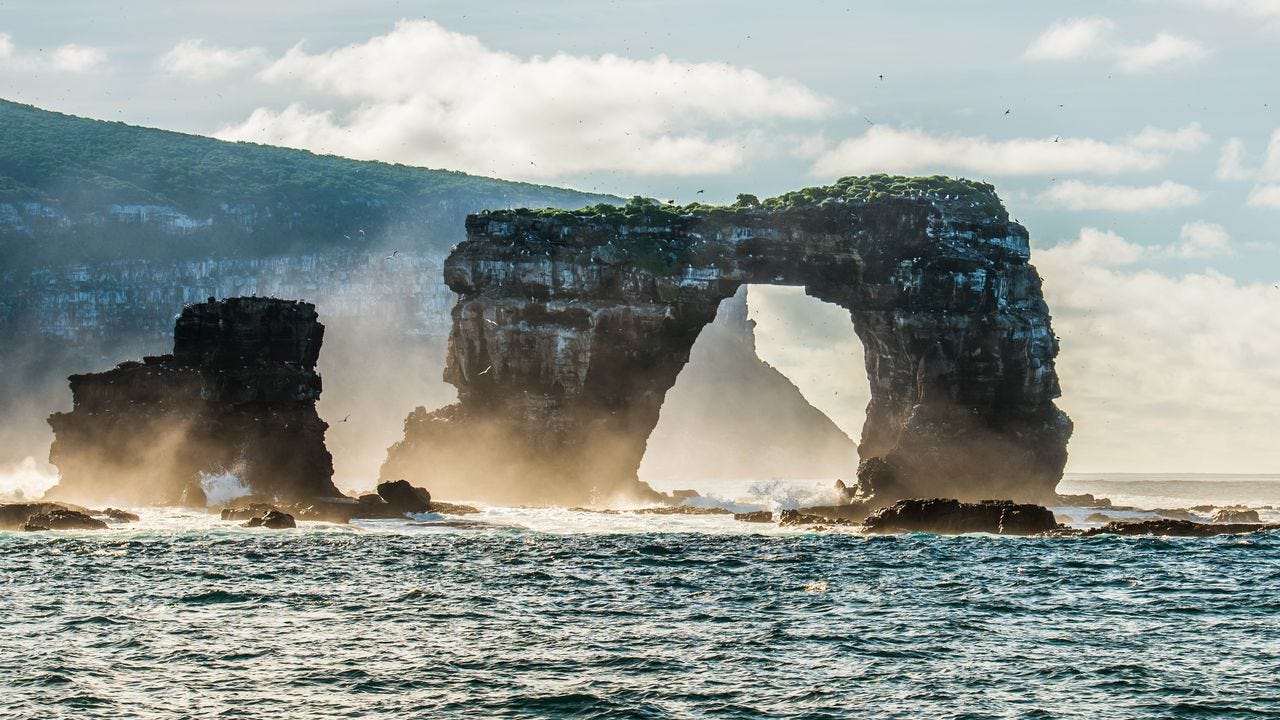
The Galápagos are volcanic in origin, formed by a geological hotspot beneath the Pacific Ocean.
This creates landscapes that feel almost otherworldly.
You may encounter:
• black lava fields
• cactus forests
• turquoise bays
• white sand beaches
• volcanic craters
The islands sit at the intersection of several ocean currents, which creates an incredibly rich marine ecosystem.
Cold currents from Antarctica mix with warm tropical waters, producing an abundance of marine life.
That is why divers and snorkelers often describe the Galápagos as one of the most incredible underwater environments on Earth.
Why Access to the Islands Is Strictly Controlled
Unlike many tourist destinations, the Galápagos are extremely regulated.
Visitor numbers are controlled, and every excursion must be accompanied by a certified naturalist guide.
Ships follow strict itineraries approved by the national park authorities, ensuring that wildlife habitats remain protected.
These rules exist for a reason.
The Galápagos ecosystem is fragile.
And preserving it for future generations requires careful management.
Ironically, these restrictions actually enhance the visitor experience.
Instead of crowded tourist sites, you often find yourself in small groups exploring remote beaches and trails.
When Is the Best Time to Visit the Galápagos?
The islands can be visited year-round, but seasonal changes influence wildlife activity and ocean conditions.
December through May tends to bring warmer water and calmer seas, making it excellent for snorkeling.
June through November often brings cooler water with more nutrient-rich currents, which attracts larger marine life.
But the truth is that the Galápagos offer remarkable wildlife encounters in every season.
There is never a bad time to visit.
Why a Galápagos Cruise Becomes a Once-in-a-Lifetime Journey
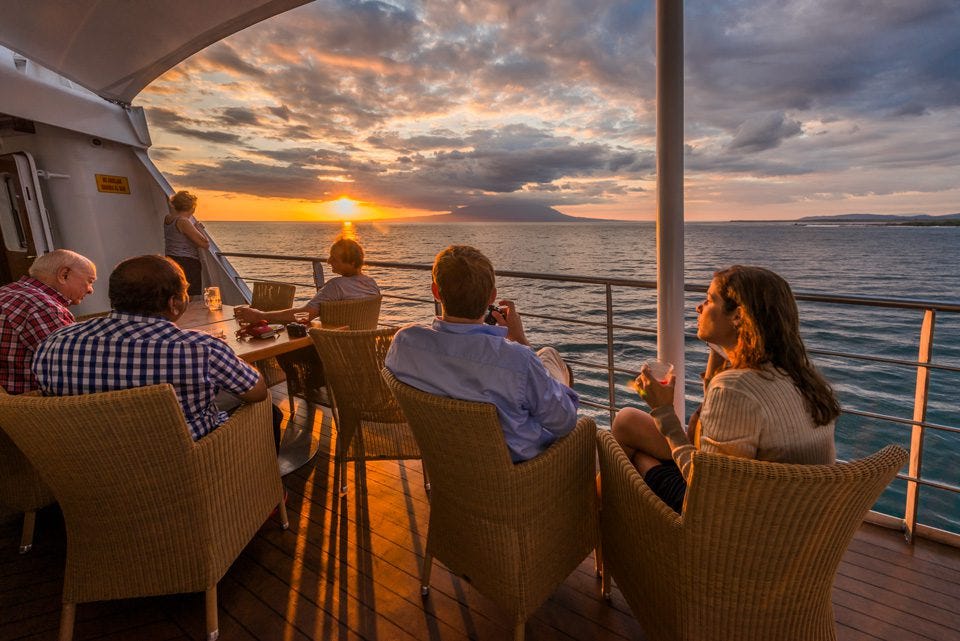
Many travelers who visit the Galápagos describe the experience as transformative.
It is not just about seeing wildlife.
It is about witnessing an ecosystem that still functions the way nature intended.
There are very few places left on Earth like this.
And because visitor numbers are limited, the Galápagos remain remarkably intact.
A journey here is not simply tourism.
It is participation in one of the world’s most important conservation stories.
Planning a Galápagos Expedition
Planning a Galápagos cruise is very different from booking a traditional vacation.
You need to consider:
• the cruise line
• the itinerary
• the time of year
• the ship size
• the wildlife priorities
Some itineraries visit the western islands known for marine life. Others focus on the central islands famous for giant tortoises and bird colonies.
Choosing the right cruise can dramatically shape the experience.
That is why working with a travel advisor who understands the destination can make a significant difference.
Considering a Galápagos Cruise?
For travelers who love nature, wildlife, and exploration, the Galápagos Islands offer one of the most extraordinary travel experiences in the world.
Whether you prefer the refined comfort of Celebrity Cruises, the ultra-luxury expedition style of Silversea, or the science-focused journeys of Lindblad Expeditions with National Geographic, there are remarkable ways to experience these islands.
Each offers a slightly different style of exploration, but all share the same goal:
To bring travelers closer to one of the most fascinating ecosystems on Earth.
If the idea of snorkeling with sea lions, walking beside giant tortoises, and exploring volcanic islands appeals to you, it might be time to start planning.
If you are curious about Galápagos cruises or would like to explore itinerary options, feel free to reach out.
I would be happy to help you design an expedition that matches your interests and travel style.
Yvan Junior Blanchette
Travel Advisor & Cruise Specialist
ÆRIA Voyages & Cruises
Some destinations are beautiful.
The Galápagos are unforgettable.