Viking's Arctic to Antarctic Explorer: The Most Ambitious Voyage on Earth
80 days. Two poles. One ship. A journey that redefines what travel can be.

Most travel is a parenthesis. A week here, ten days there… a brief interruption before life resumes its usual shape. You return with photographs, a tan, maybe a story or two. And then it fades.
What we’re about to describe is something different in kind. Not a bigger trip, not a longer vacation, but a genuine transformation. The kind of journey that divides a life into before and after. The kind that, when you tell people about it years from now, still makes them put down their fork and lean in.
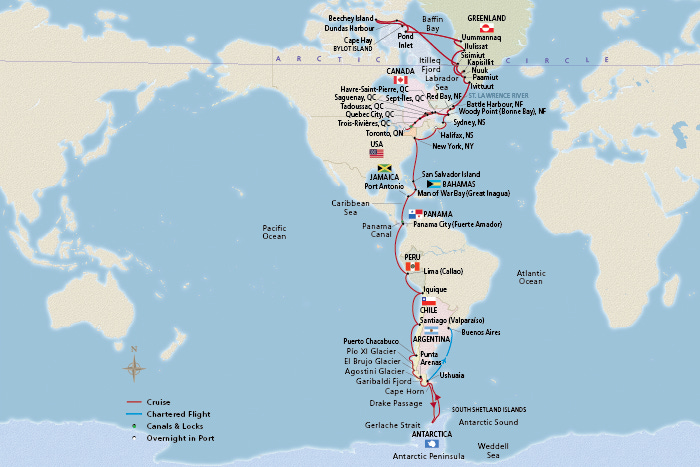
The Arctic to Antarctic Explorer. 80 days. One ship. The full length of the world.
Begin at the Edge of the Known World
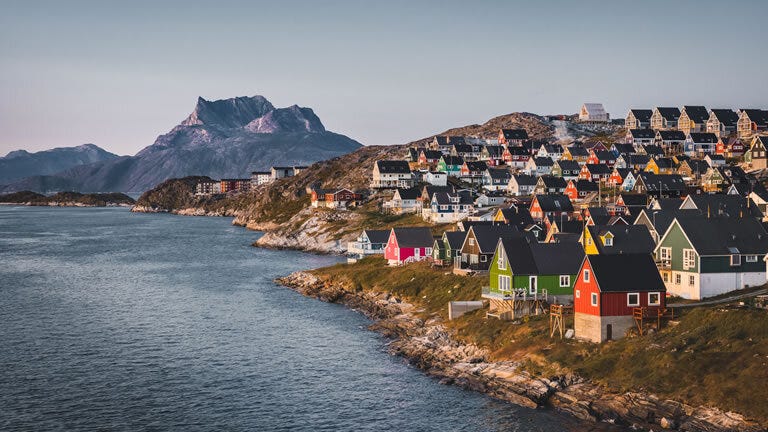
The ship leaves Nuuk, Greenland on September 15, 2028. The air is sharp. The harbour is still. The last roads ended miles ago. You stand on the deck of Viking Polaris, watch the city grow small behind you and feel, perhaps for the first time in years, genuinely untethered.
What follows is unlike anything else in travel.
For the next eleven and a half weeks, you will move through the world at the pace of discovery. No airports. No check-in queues. No rushing. Just the slow, magnificent unfolding of a planet that is far wilder, far more beautiful, and far more astonishing than daily life ever allows you to remember.
The Arctic: Where the World Goes Quiet
The first weeks belong to ice and silence.
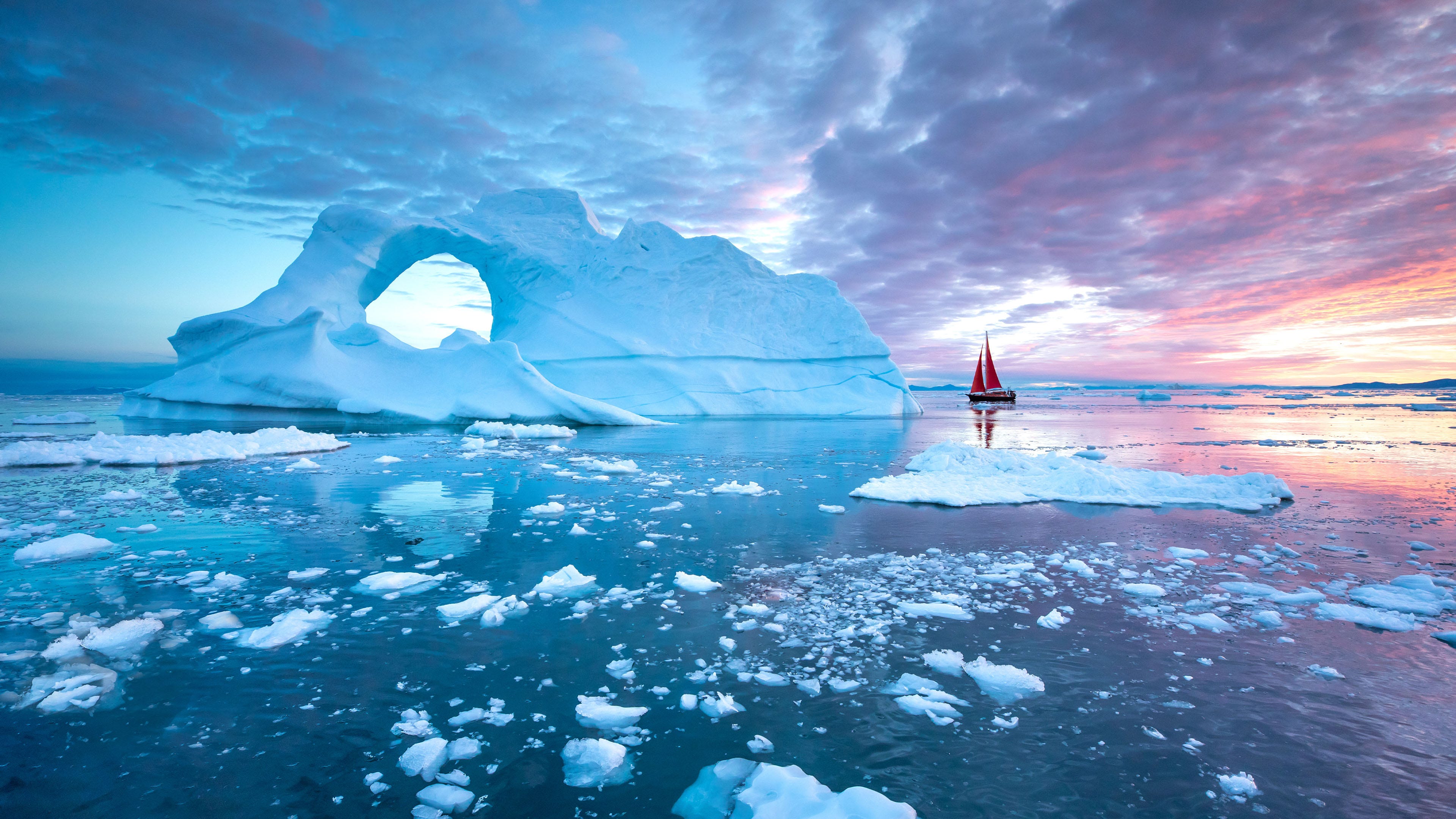
Viking Polaris pushes north into waters where most ships never venture. You wake one morning to find the ship threading through the Itilleq Fjord, walls of ancient glacial ice rising on both sides, blue-green and glowing in the early light, the only sound the distant crack of ice shifting under its own weight.
At Ilulissat, you stand before the most productive glacier in the Northern Hemisphere. Icebergs the size of cathedrals drift past with impossible slowness, calved from a river of ice that has been moving toward the sea for thousands of years. The sight is so large, so old, so indifferent to human scale that something in you shifts. The noise of ordinary life: the inbox, the deadlines, the endless small urgencies… goes quiet.
Further north, the ship enters Canadian Arctic waters. Beechey Island, where Franklin’s doomed expedition once wintered, its graves still visible on the frozen shore. Bylot Island, where cliff faces are alive with tens of thousands of seabirds and polar bears move through the tundra below like amber shadows.
This is the Arctic that explorers spent centuries trying to reach. You arrive in comfort, with a glass of wine and a warm jacket waiting.
Canada: A River You Will Never See the Same Way Again
The ship turns south and enters the Labrador Sea. Battle Harbour, Newfoundland, a restored outport frozen in the 19th century, where saltbox houses cling to bare rock above a pewter sea. Gros Morne National Park, where fjords that rival Norway’s cut through some of the oldest exposed rock on Earth.
And then: the St. Lawrence River.
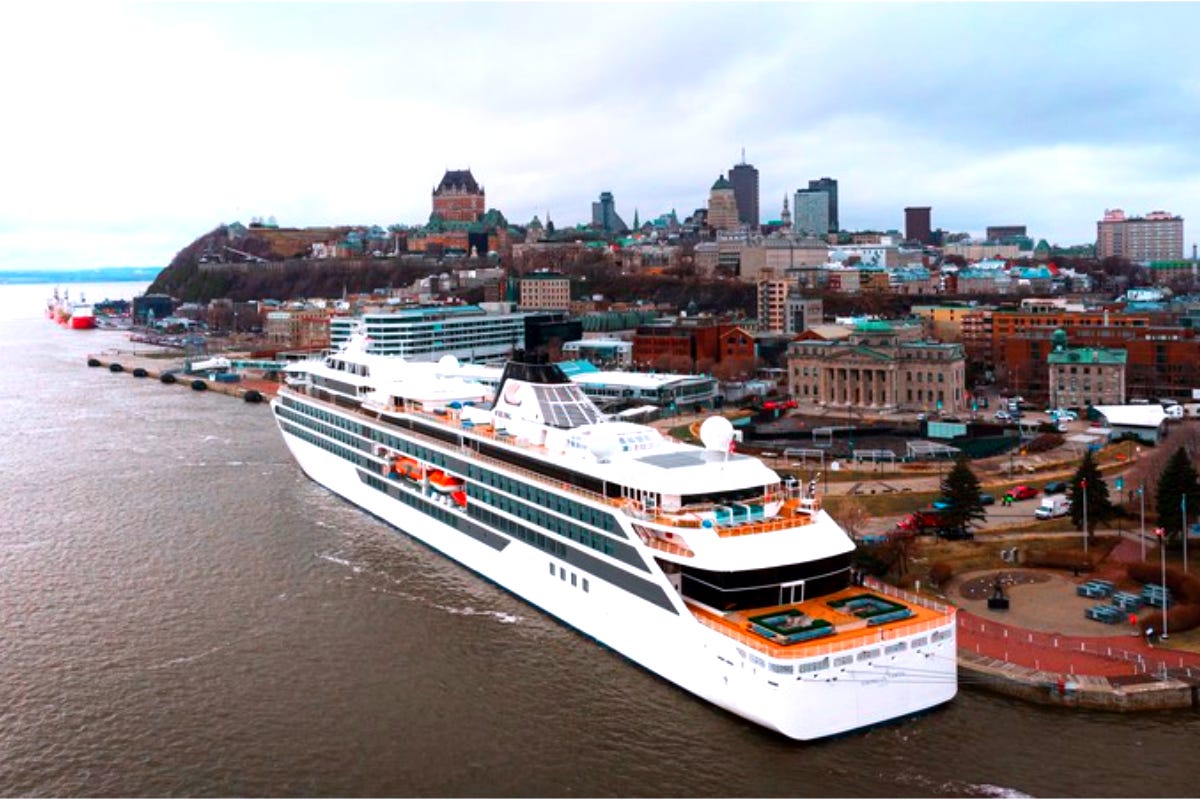
For those of us from Quebec, there is something almost unbearably moving about this passage. The river widens and narrows. Belugas surface off the bow near Tadoussac. The Saguenay Fjord opens to the south, dark and deep and draped in morning mist. And then, rising from the cliffs above the river, the copper rooftops and stone towers of Quebec City seen from the water, the way the first Europeans saw it, and it takes your breath away.
The St. Lawrence is not a backdrop. It is a character. And you will never look at it the same way again.
New York: One Night in the Center of the Universe
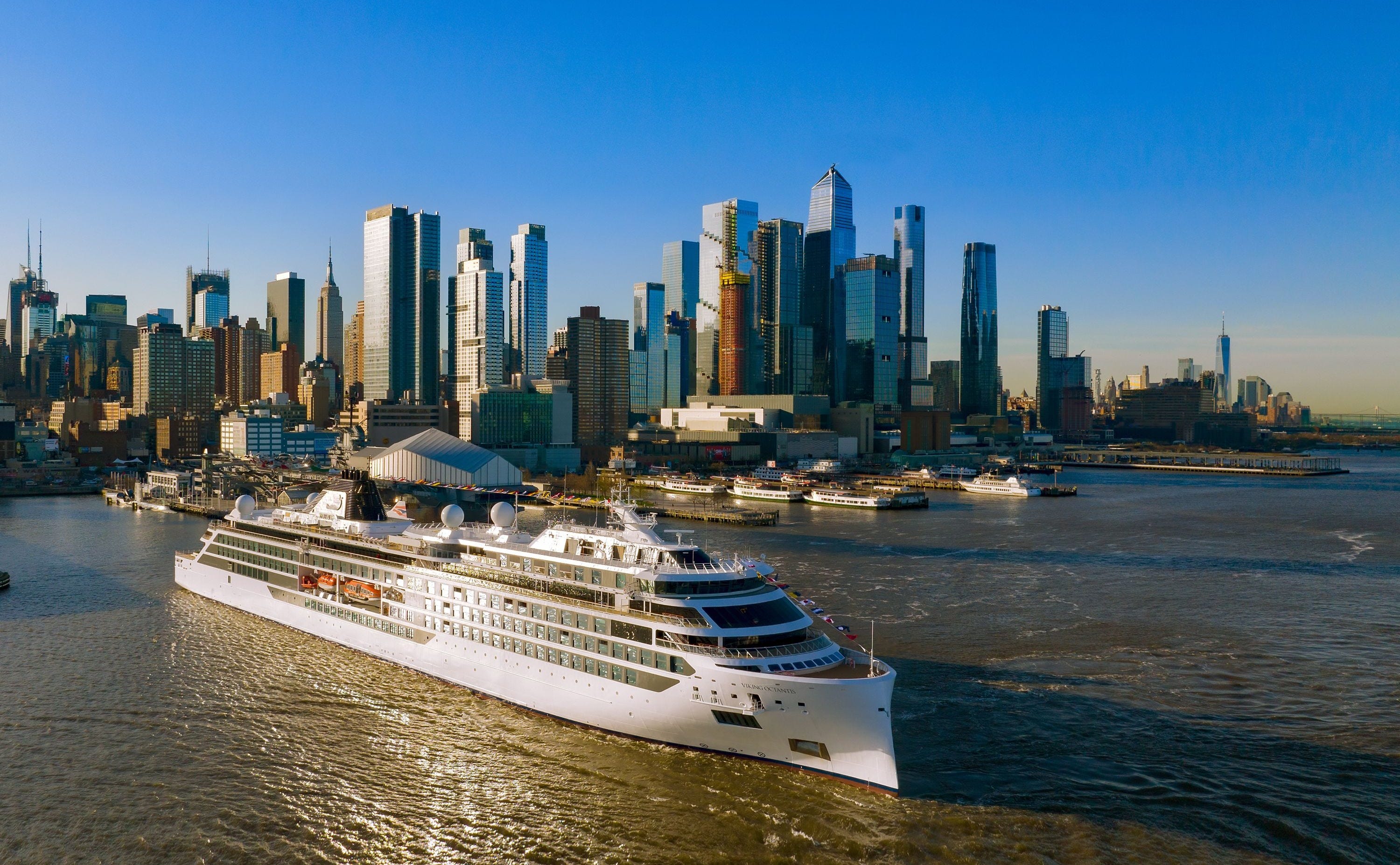
The ship docks in New York City. You step off onto a Manhattan pier and the city hits you all at once: the smell of it, the noise of it, the sheer electric density of eight million people living at full velocity. After weeks of glaciers and silence, the contrast is electric, almost hallucinatory. You walk, you eat, you look up at the skyline and feel two things simultaneously: the thrill of the city, and a quiet gratitude that tomorrow you return to the ship.
The Caribbean: Warmth After Ice
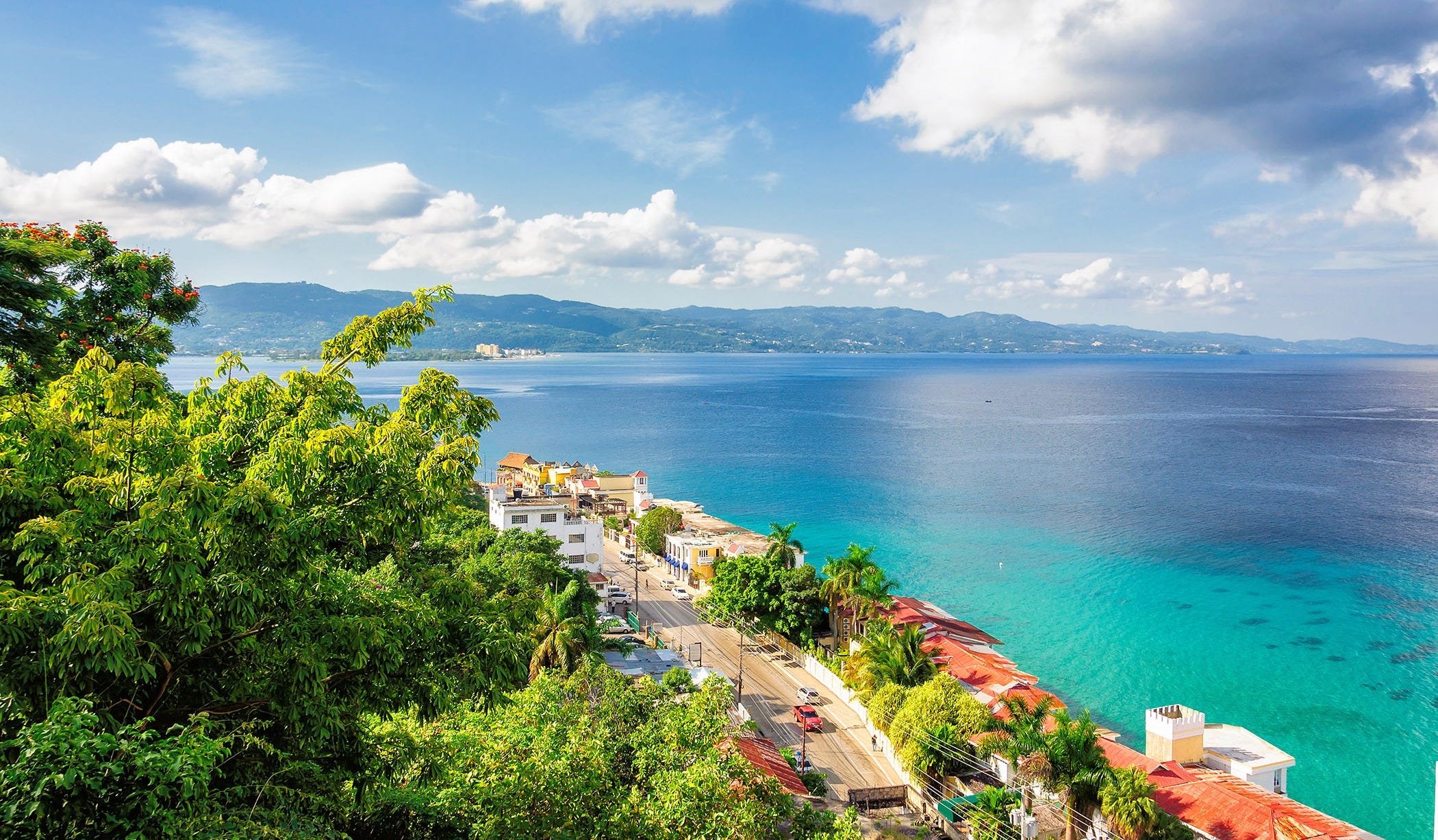
South of New York, the ocean changes colour. The grey-green of the North Atlantic gives way to turquoise. The air softens. The light turns gold.
Port Antonio, Jamaica: not the resort Jamaica, but the real one. Lush mountains tumbling to the sea. A town that moves at its own unhurried rhythm. The scent of salt and vegetation and something flowering you can’t name.
San Salvador Island, Bahamas: the exact beach where Columbus stepped ashore on October 12, 1492, and changed the world forever. You walk the same sand. You look at the same horizon he saw, sailing blind toward a continent he didn’t know existed. History is suddenly not abstract.
Great Inagua, Bahamas: the end of the Caribbean, where the largest flamingo colony in the Western Hemisphere turns entire lagoons pink. Remote, wild, and almost entirely untouched by tourism.
Panama: The Lock That Changed Everything
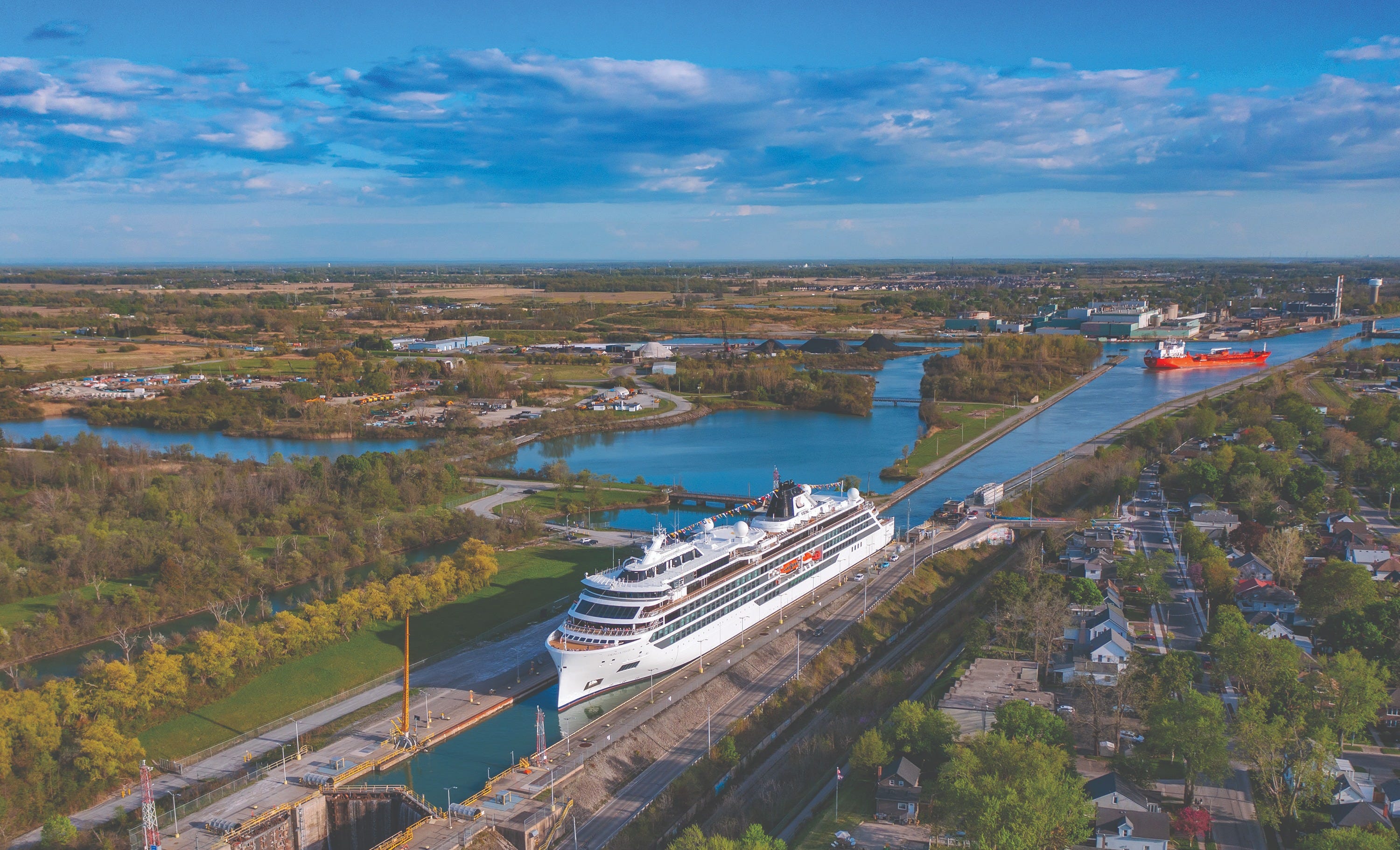
The Panama Canal is not a sight. It is an experience.
Viking Polaris enters the locks, and you watch the water rise slowly, inexorably, lifting a ship as if it weighs nothing until you are looking down at the jungle from a vantage point that shouldn’t exist. The canal took ten years to build, killed thousands, and rewrote the map of global trade. To move through it is to feel the audacity of human ambition pressing against the limits of what the earth will allow.
On the other side: the Pacific Ocean. A different ocean entirely. A different hemisphere. The journey has crossed something invisible and permanent.
South America: Civilization at Its Most Alive
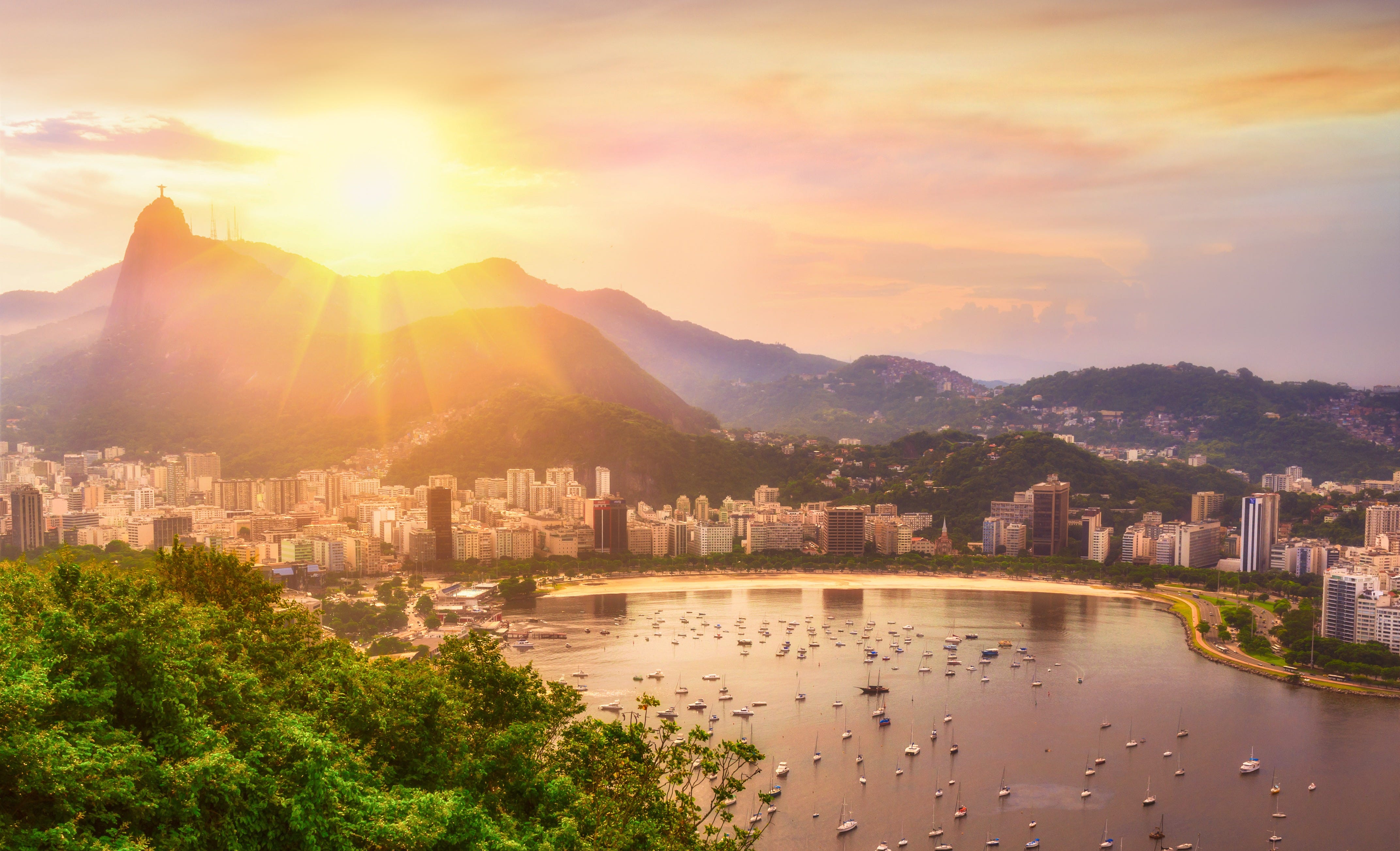
Lima, Peru. One of the world’s great food cities, built on the bones of a civilization that raised pyramids while Europe was still in the Dark Ages. Ceviche, pisco, and a coastline that stretches forever.
Iquique, Chile. A 19th-century port city rising from the edge of the Atacama, the driest desert on Earth, where wooden Victorian streets stand perfectly preserved in air so dry it barely rains once a decade.
Valparaíso, Chile. Forty-two hills. Painted staircases. Street art that turns entire neighbourhoods into open-air galleries. Pablo Neruda lived here. You’ll understand why.
Buenos Aires, Argentina. Wide boulevards. Bookshops that look like cathedrals. The best steak you will ever eat. Tango in a milonga at midnight, in a city that doesn’t sleep until 3am and doesn’t apologize for it. If Paris and New York had a child raised in the Southern Hemisphere, it would be Buenos Aires.
Patagonia: The Place That Ruins You for Everywhere Else
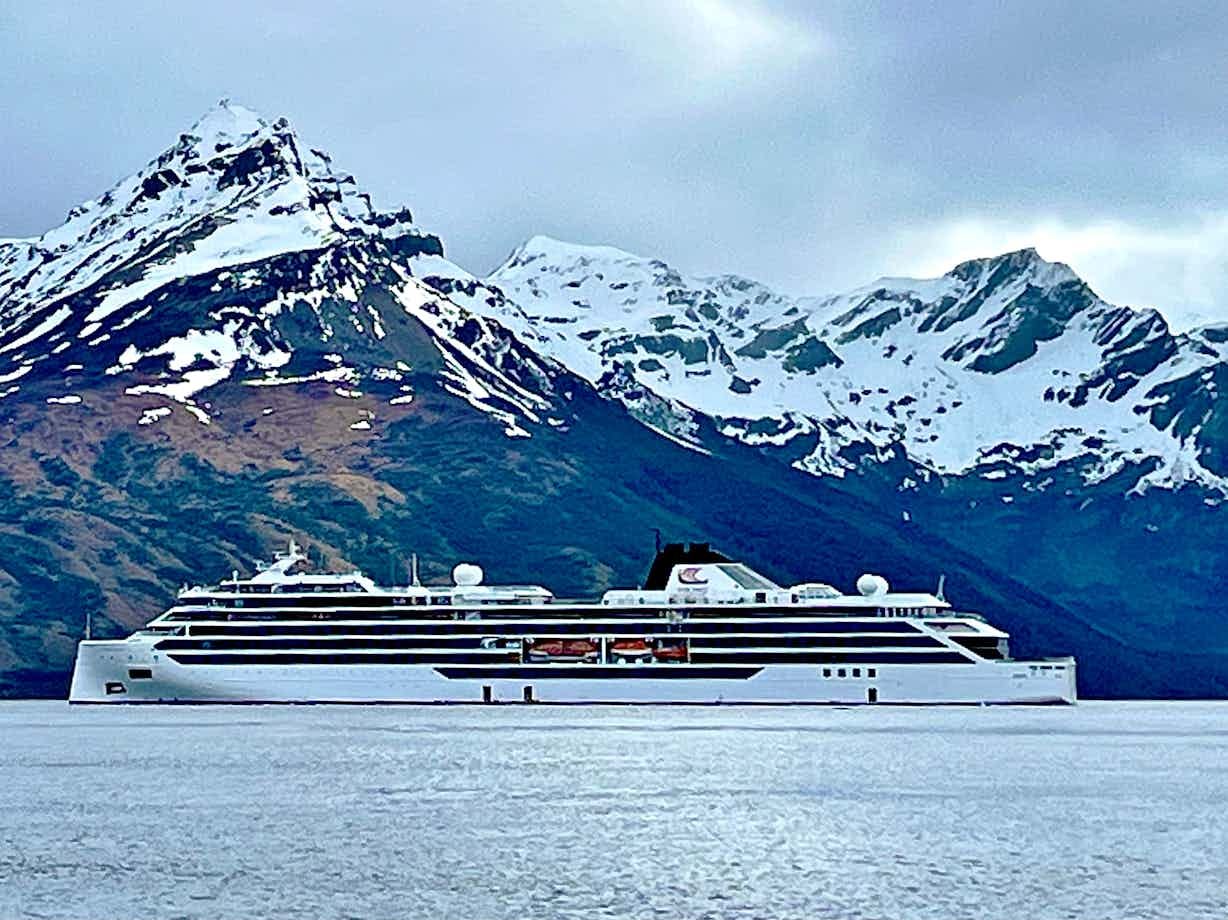
There is a phenomenon among travellers who visit Patagonia. They come back changed. Not improved, not enlightened… changed, in the way that encountering something truly immense always changes you. Scale does something to the ego. It quiets it.
Viking Polaris enters the Chilean fjords and the world becomes cinematic.
Pío XI Glacier : the largest glacier in the Southern Hemisphere outside Antarctica. A wall of blue ice three miles wide and two hundred feet high, advancing into the sea at a rate visible to the naked eye. The sound it makes when it calves, a deep, oceanic crack that rolls across the water and into your chest, is a sound you will hear in your sleep for years.
Agostini Glacier. El Brujo Glacier. Names that sound like poetry and look like it too.
Garibaldi Fjord : so narrow, so still, so perfectly reflected in the water below that you can’t tell where the mountains end and the sea begins.
Punta Arenas : the last real city. Beyond here, the world thins out.
Cape Horn: The End of the Land
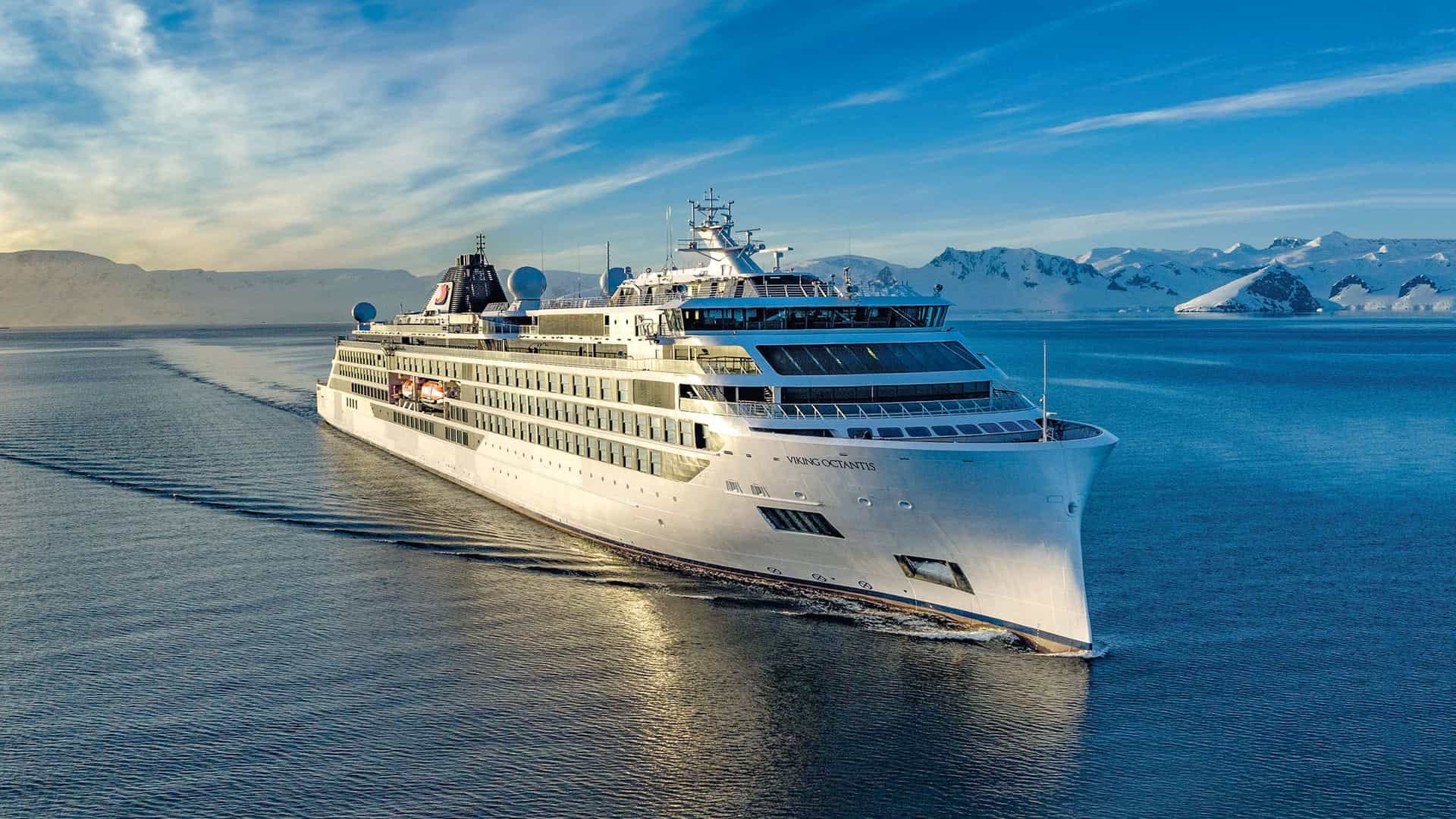
The ship rounds Cape Horn.
There is no way to prepare for it. The Horn is not a beautiful place. It is a violent one, grey skies, wild swells, wind that has been building momentum since it left the African coast. Albatrosses ride it effortlessly, turning in great lazy arcs above the whitecaps. Sailors have feared and revered this point for four centuries.
You stand on deck and look out at it. You are at the very bottom of the Americas. There is nothing between you and Antarctica but open ocean.
And you feel… fully, completely, undeniably alive.
Antarctica: The Last Wilderness
The Drake Passage takes two days to cross. The ship rolls. The horizon tilts. Petrels and albatrosses trace enormous circles in the grey sky. Then, on the morning of the second day, someone shouts from the bow.
Ice.
The first bergs appear small at first, then enormous. White and blue and impossible green. The temperature drops. The light changes. And Viking Polaris enters the most extraordinary place on Earth.
South Shetland Islands. Beaches black with volcanic rock and white with penguins… tens of thousands of them, utterly indifferent to your presence, going about their urgent, comedic lives three feet from where you stand.
Antarctic Sound. Tabular icebergs the size of city blocks drifting in water so still and so blue it looks edited. The silence here is not the absence of sound. It is a presence.
Gerlache Strait. Mountains plunge directly into the sea. Glaciers hang from cliff faces. Humpback whales surface alongside the Zodiac, close enough that you can see the barnacles on their skin, and exhale in great warm clouds that dissipate in the polar air.
The Antarctic Peninsula. The Zodiac touches shore. You step out. You are standing on the seventh continent. There are no roads here. No buildings. No history of human settlement. Just the ice, the wind, the wildlife, and the overwhelming, humbling sense that you have arrived somewhere the Earth has kept for itself.
You will not want to leave.
Everything Is Taken Care Of
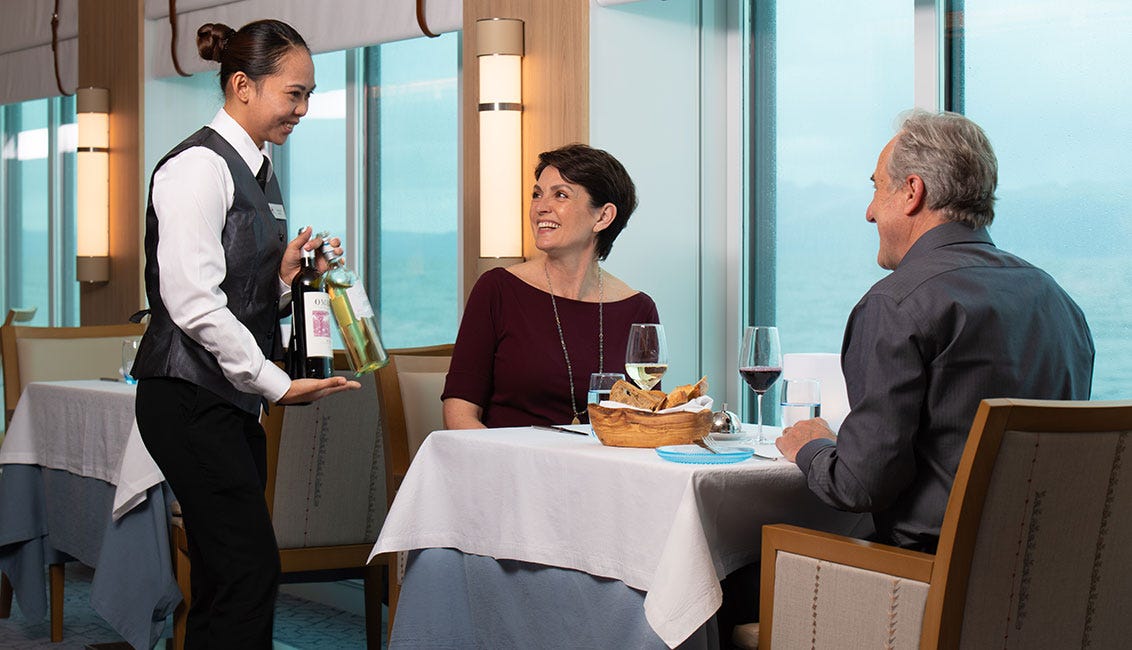
Viking understands something that most travel companies don’t: that the greatest luxury is not more things, it is fewer worries.
Every element of this voyage is included in your fare. Not as an upsell. Not as an upgrade. As the baseline.
Your journey door to door:
Free roundtrip airfare from your home city (Spring Sale)
Ground transfers with Viking Air
At the table:
All meals, every day, regional specialties and always-available classics
Wine, beer and soft drinks with every lunch and dinner
Specialty coffees, teas and bottled water around the clock
Alternative restaurant dining with no surcharge, ever
24-hour room service
In the field:
A guided landing or shore excursion in every single port
Kayaks, Zodiacs and Special Operations Boats
Complete Viking Expedition Kit 2: every piece of gear you need
Your very own Viking expedition jacket (yours to keep forever)
All excursion gear for every activity
For the mind and soul:
UNESCO World Heritage Site visits throughout the voyage
Expert enrichment lectures : glaciology, history, wildlife, navigation
Destination Performances onboard
Onboard life:
The Nordic Spa and Fitness Center, complimentary, always
Free Wi-Fi throughout the voyage
Self-service launderettes
All port taxes and fees
There is no bill at the end. No envelope slid under the door on the final night. You simply arrive, and the world takes care of itself.
Your Stateroom


Nordic Balcony (Private balcony) from $112,495 pp
Deluxe Nordic Balcony (Enhanced space and position) from $116,995 pp
Nordic Penthouse from $146,995 pp
Nordic Junior Suite (322 sq ft + balcony, Deck 4) from $164,995 pp
Explorer Suite (The ultimate polar experience) $254,995 pp
All fares per person, double occupancy. Free airfare included under current Spring Sale.
Current Offer: Spring Sale - Free Airfare + Reduced Fares + just $25 to hold your stateroom today.
About Viking Polaris
Viking Polaris is not a floating resort. She is a working expedition vessel, purpose-built, ice-certified to the highest standard for passenger ships, small enough to enter fjords and channels that larger ships cannot reach. She carries 378 guests. She knows where she’s going, and she goes there with precision.
She is also extraordinarily comfortable. Because enduring discomfort is not adventure… it’s just discomfort. True expedition travel means arriving at the edge of the world well-rested, well-fed, and ready to step into it with clear eyes.
Who This Voyage Is For
This voyage is not for everyone, and it shouldn’t be.
It is for the traveller who has seen a great deal of the world and started to wonder what lies beyond the edges of the map. It is for those who understand, at some deep level, that the most valuable thing you can spend is not money… it is time. And that a journey like this, taken now, is worth infinitely more than the same journey deferred to some theoretical future when everything is perfectly arranged.
It is for those who have looked at a map of the Americas, traced the long spine of the continent from the Arctic to the tip of Tierra del Fuego, and felt something stir. Something that said: I want to see all of that. I want to see it from the water, slowly, the way it deserves to be seen.
If that is you, if any part of what you’ve read here has made you feel the pull of it, then this voyage is for you.
Reserve Your Place
Sailing date: September 15, 2028
Ship: Viking Polaris
Route: Nuuk, Greenland → Ushuaia, Argentina
Duration: 80 days
From: $112,495 per person, including free roundtrip airfare
Availability on a voyage this rare and this complete is always limited. We are not saying that to create urgency. We are saying it because it is true.
📩 Contact ÆRIA Voyages.
We will walk you through every detail, stateroom selection, airfare routing, pre- and post-cruise extensions, travel insurance, and anything else you need to board that ship on September 15, 2028 with nothing on your mind but the horizon ahead.
This is what we do.
This is what we love to do.
ÆRIA Voyages | Wherever the winds take you.